
Retire in Costa Rica: Why Pérez Zeledón Is One of the Best Places for Your Retirement
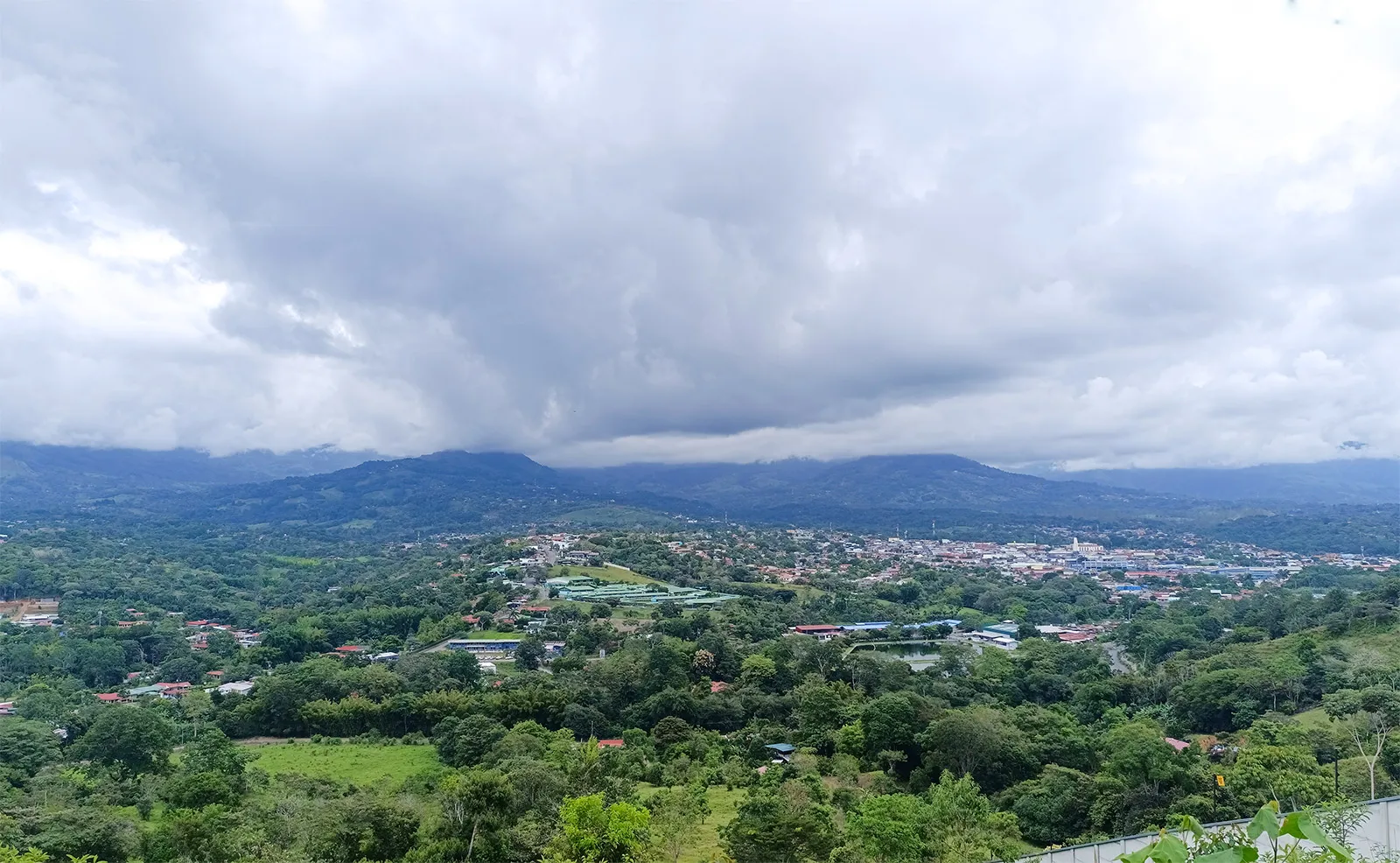
For a growing number of Americans and Canadians, retirement dollars simply stretch further south of the border. Choosing to retire in Costa Rica has become one of the most popular relocation decisions for people who want a comfortable climate, world-class nature, solid healthcare and a slower, more human pace of life at a fraction of what it costs back home. And within the country, one region delivers nearly all of those benefits without the inflated price tags of the coast: Pérez Zeledón, in Costa Rica’s Southern Zone. This guide walks you through why retirement in Costa Rica makes so much sense, and why San Isidro de El General may be the ideal place to build the home you retire into.
Why so many North Americans are retiring in Costa Rica
Costa Rica has topped “best places to retire” lists for decades, and it’s no accident. It’s a politically stable country with an unbroken democracy that famously abolished its military in 1948, redirecting that spending toward health and education ever since. For anyone weighing a move abroad, that stability translates into long-term peace of mind. Here are the factors that matter most.
Quality of life and the “pura vida” mindset
“Pura vida” pure life isn’t just a tourism slogan; it’s a daily attitude of calm, friendliness and appreciation for simple things. Costa Rica is well known for prioritizing well-being. The Nicoya Peninsula is even one of the world’s five “Blue Zones,” regions where people routinely live past 90. For a retiree, relocating to a place where walking, gardening, socializing and spending time outdoors is the everyday norm can have a real impact on both health and mood.
A year-round comfortable climate
Sitting near the equator, Costa Rica has no winter just a dry season (roughly December to April) and a green (rainy) season. But climate varies dramatically with elevation. The beaches are hot and humid, while the mountain valleys enjoy mild “eternal spring” weather with warm days and cool nights. San Isidro de El General, tucked into a valley at the foot of Cerro Chirripó, sits squarely in that sweet spot retirees love: no furnace, no round-the-clock air conditioning, just comfortable temperatures almost all year.
Nature right outside your door
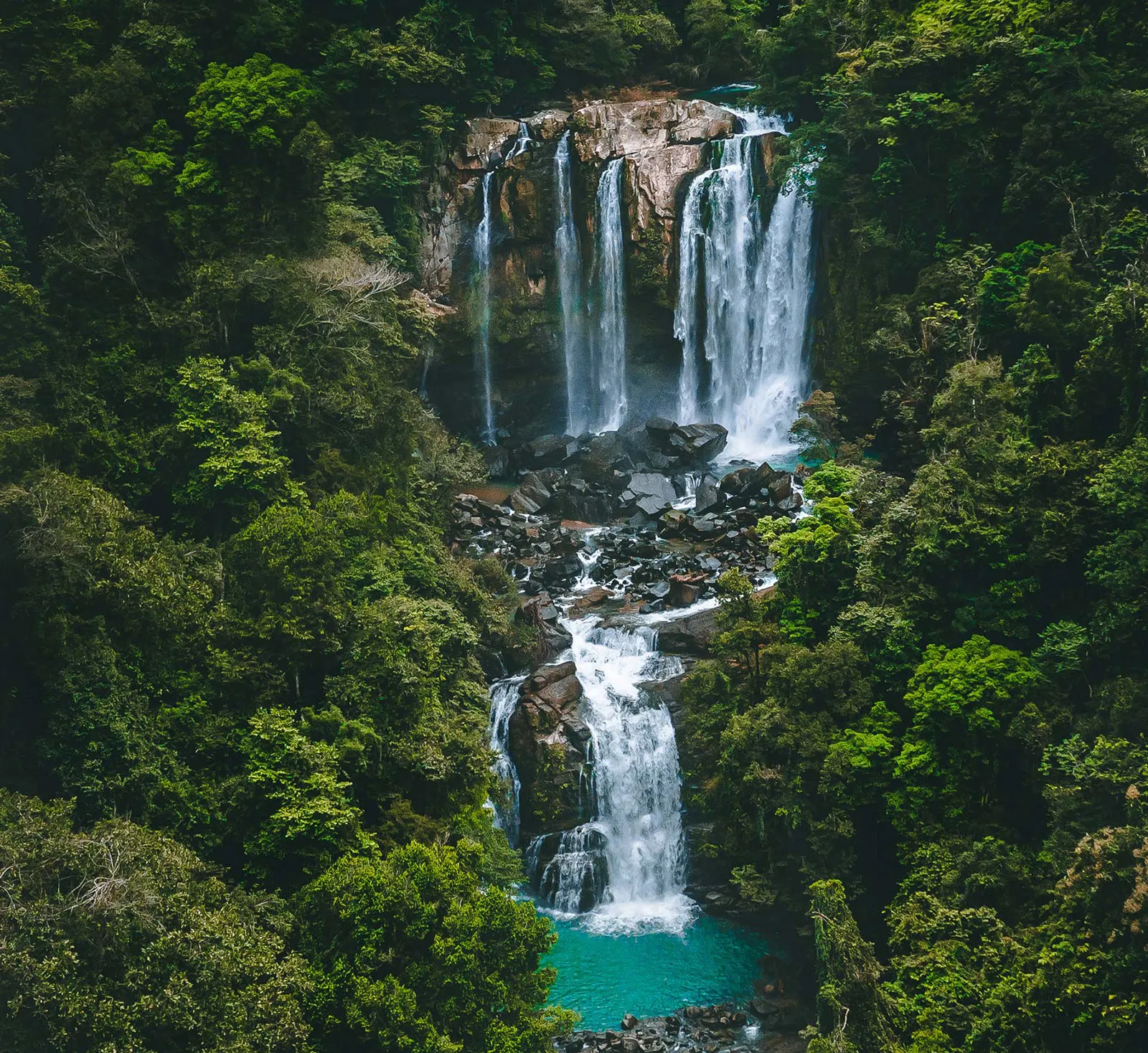
With roughly 5% of the planet’s biodiversity packed into less than 0.03% of its landmass, Costa Rica is a world-class nature destination. For an outdoors-loving retiree, that means birdwatching, hiking cloud forests, swimming under waterfalls, or simply sipping coffee with a mountain view. The national park network, managed by SINAC (the National System of Conservation Areas), protects much of that natural heritage and keeps it accessible.
Cost of living versus the U.S. and Canada
For most people, this is the deciding factor. Imported goods and electronics can cost as much as—or more than they do back home, but the expenses that dominate a retirement budget (housing, fresh local groceries, personal services, healthcare and transportation) tend to run significantly lower, especially inland. Buying in Pérez Zeledón instead of a trendy beach town amplifies those savings: the budget that barely covers a small oceanfront condo can buy a spacious home on real land here. A word of honesty, though skip anyone promising exact “you’ll spend $X a month” figures. Your real cost depends on your lifestyle, the exchange rate, and how much you buy local versus imported.
Healthcare: the public “Caja” plus private care
Costa Rica runs a universal healthcare system through the Caja Costarricense de Seguro Social (CCSS), universally called “the Caja.” Every legal resident is required to enroll in and contribute to the CCSS it’s a condition of obtaining and renewing residency, typically paying a percentage of declared income each month. In return you get access to public medical care and prescriptions. Many expats pair the Caja with private insurance or pay out of pocket for private clinics, which are often faster for elective procedures. In San Isidro, the Hospital Escalante Pradilla serves as the regional referral hospital for the entire Southern Zone, alongside private clinics and doctors’ offices in town.
Safety and stability
Costa Rica is considered one of the most stable and peaceful countries in Latin America. It abolished its army in 1948 and has maintained a strong democracy ever since. As anywhere, safety varies by area and common-sense precautions apply, but many inland communities—Pérez Zeledón among them—retain a quiet, small-town feel where neighbors actually know one another. For a retiree, that sense of community and predictability counts just as much as any statistic.
The Pensionado program: a residency path built for retirees
Costa Rica offers a residency category designed specifically for retirees: Pensionado status. According to the Dirección General de Migración y Extranjería (DGME), under the General Immigration Law (Law No. 8764), applicants must show a guaranteed lifetime pension income of at least US$1,000 per month from a government or private retirement plan. Only one applicant needs to qualify; a spouse and dependents can be added as beneficiaries. Other categories also exist, including Rentista (for those with stable non-pension income) and Inversionista (for those investing in real estate or other assets above a set threshold). Because requirements and amounts change, always confirm the current rules directly with Migración or a qualified immigration attorney before making decisions.
An established expat community
Costa Rica has long been home to established communities of Americans, Canadians and Europeans. That makes the transition easier: English-speaking doctors and attorneys, social groups, activities, and an informal network of people who’ve already navigated the move, residency and buying property. In the Southern Zone, the blend of Costa Rican and foreign residents creates a welcoming atmosphere—without the crowding of the more saturated tourist enclaves.
Why Pérez Zeledón beats Tamarindo, Nosara, Jacó and Manuel Antonio
Destinations like Tamarindo, Nosara, Santa Teresa, Jacó, Manuel Antonio and much of Guanacaste are beautiful—but popularity has a price: high costs, small lots, seasonal congestion and an economy heavily dependent on tourism. Pérez Zeledón, and San Isidro de El General in particular, offers a different proposition for anyone planning to retire in Costa Rica with space, calm and financial sense.
- Bigger lots: where the coast is carved into small, expensive parcels, Pérez Zeledón still offers generous lots with room for a garden, a vegetable patch and space for pets.
- More affordable prices: inland property costs a fraction of oceanfront—both to buy and to maintain.
- Less congestion: none of the peak-season crowds, traffic and strain on services that hit the trendy beaches.
- Excellent infrastructure: San Isidro is the most populous city in the Brunca region, with a regional hospital, universities, banks, shops, movie theaters and a local airport, plus a direct link via the Inter-American Highway.
- Close to Dominical and Uvita: the South Pacific beaches and Marino Ballena National Park are about a 45–50 minute drive via Route 243. Live in the mountains and be at the beach the same day.
- At the foot of Chirripó: Chirripó National Park, home to the country’s highest peak (3,820 m / 12,533 ft), is right nearby—ideal for hikers and nature lovers.
- A more pleasant climate: the mountain valley delivers cool nights year-round, versus the constant humid heat of the coast.
- More peace and quiet: a small-city pace with a stable community and far less turnover than the tourist hotspots.
- Build your ideal home: buying a lot and building to your own plan often makes more sense than paying the premium for a finished oceanfront house.
| Factor | Trendy coastal towns | Pérez Zeledón / San Isidro |
|---|---|---|
| Home prices | High; oceanfront even higher | A fraction of coastal value |
| Lot size | Small parcels | Generous lots available |
| Climate | Hot and humid | Mild mountain, cool nights |
| Services & healthcare | Limited; travel required | Regional hospital, full city |
| Tourist congestion | High in season | Low; quiet atmosphere |
| Beach access | Immediate | 45–50 minutes by car |
Retirement lifestyles that fit Pérez Zeledón
One of the Southern Zone’s biggest strengths is its versatility. There’s no single retiree “type” here there’s room for many ways to live out retirement.
- Retired couples who want a single-level home with a yard, close to the hospital and town, with the beach under an hour away for weekends.
- Remote workers easing into full retirement: San Isidro offers connectivity, services and a cost of living that lets you save while you make the transition.
- Gardeners and hobby farmers: the mild climate and fertile valley soils are perfect for growing fruit, vegetables, coffee or ornamental plants on your own land.
- Pet owners: larger lots give dogs and other animals real room to roam nearly impossible in a beach condo.
- Health-focused retirees: walking, cycling, hiking Chirripó, eating fresh produce from the local farmers’ market and living without big-city stress all come naturally with the regional lifestyle.
Available properties for your retirement in Pérez Zeledón
At Lotes del General we have verified lots and homes in and around San Isidro de El General, ready for anyone exploring Costa Rica real estate for retirement. A few current options (reference prices, subject to availability):
- 612 m² lot in San Rafael Norte — ₡24,480,000 (approx. US$54,000): ideal for a custom build.
- 838 m² lot in San Rafael Norte — ₡33,500,000 (approx. US$74,000): a large lot with room for a garden and vegetable patch.
- 92 m² house in Barrio El Hoyón — ₡48,000,000 (approx. US$106,000): 3 bedrooms, move-in ready.
- 144 m² house in Barrio El Hoyón — ₡88,000,000 (approx. US$194,000): spacious construction on an 837 m² lot.
- Home in San Rafael Norte — ₡108,000,000 (approx. US$238,000): 2 bedrooms on a generous 2,264 m² lot.
- Property with two houses in Pérez Zeledón — ₡132,000,000 (approx. US$291,000): live in one and host family or rent the other.
U.S. dollar conversions are approximate, using a 2026 rate of roughly ₡450–460 per US$1; confirm the exact value at the time of any transaction.
The bottom line: space and value for your retirement
Retiring in Costa Rica pairs a comfortable climate, incredible nature, accessible healthcare, stability and a welcoming expat community. And within the country, Pérez Zeledón lets you enjoy all of it with bigger lots, more reasonable prices and both mountains and beach within reach minus the congestion and cost of the pricier tourist destinations. If you dream of building your retirement home in a quiet valley less than an hour from the South Pacific, now is the time to take the first step.
Ready to explore your options? Browse all available properties at Lotes del General or contact us, and we’ll help you find the ideal lot or home for your retirement in San Isidro de El General.
Frequently asked questions about retiring in Costa Rica
How much income do I need for Costa Rica’s Pensionado residency?
According to the Dirección General de Migración y Extranjería, the Pensionado category requires proof of a guaranteed lifetime pension income of at least US$1,000 per month. One qualifying applicant can include a spouse and dependents. Always confirm current requirements with Migración or an immigration attorney.
Do foreign retirees get access to the healthcare system?
Yes. Every legal resident must enroll in the Caja Costarricense de Seguro Social (CCSS) and contribute monthly, which provides access to the public healthcare system. Many retirees supplement the Caja with private insurance or private clinics.
Why choose Pérez Zeledón over the beach for retirement?
Pérez Zeledón offers larger lots, more affordable prices, a cooler mountain climate, a regional hospital and a full-service city—with the beaches of Dominical and Uvita about 45–50 minutes away. It’s the combination of space, services and tranquility without the coastal premium.
How far is San Isidro de El General from the beach and the airport?
Dominical beach is about a 45–50 minute drive via Route 243. San José and its international airports are roughly 3 hours away via the Inter-American Highway, and San Isidro also has a local airport just a few kilometers from downtown.
Is it safe to retire in Costa Rica?
Costa Rica is one of the most stable countries in the region, with no army since 1948 and a well-established democracy. As everywhere, safety varies by area and common-sense precautions apply, but many inland communities like Pérez Zeledón keep a quiet atmosphere with a strong sense of community.
Last updated: August 2026. Distances, prices and immigration requirements are general references; verify each property individually and consult official sources (Migración, CCSS, ICT, SINAC) or professional advisors before making decisions.